
Understanding the psychology behind gambling What drives the risk-taker
The Allure of Gambling: A Psychological Perspective
Gambling has captivated individuals for centuries, offering not just a chance at financial gain but also a unique thrill. The psychological allure of gambling can largely be attributed to the concept of risk and reward. Players often feel an adrenaline rush when they place bets, driven by the anticipation of winning. This dopamine release creates a euphoric experience that can make gambling feel irresistible. As the mind associates gambling with pleasure, the cycle of risk-taking becomes reinforced, attracting even the most cautious individuals. A great place to experience this is at WildTokyo Casino, where players can engage in a variety of games.

Moreover, the social environment surrounding gambling plays a significant role in its psychological appeal. Gamblers are often influenced by peers, fostering a sense of belonging within groups. Casinos, both physical and online, create an atmosphere that encourages social interaction, enhancing the enjoyment of the experience. This social dimension can lead to a heightened sense of excitement and a desire to take risks, as people seek approval and validation from their peers while engaged in gambling activities.
Additionally, the unpredictability of outcomes can heighten the psychological thrill associated with gambling. Many gamblers thrive on the uncertain nature of games, where every spin of the wheel or flip of a card brings the potential for both loss and triumph. This thrill can become addictive, leading individuals to gamble more frequently in pursuit of that next big win. The mind’s tendency to focus on the potential for success over the likelihood of failure can skew perceptions and drive riskier behavior. The impact of technology significantly alters how such behaviors manifest in modern settings.
The Role of Cognitive Biases in Gambling
Cognitive biases significantly influence gambling behavior, leading individuals to make irrational decisions based on distorted thinking. One common bias is the illusion of control, where gamblers believe they can influence the outcomes of games that are entirely based on chance. This misconception can result in overconfidence, prompting players to take larger risks and place bets they might otherwise avoid. Understanding this bias is crucial for recognizing the psychological traps that risk-takers may fall into.
Another notable cognitive bias is the gambler’s fallacy, where individuals mistakenly believe that past events can influence future outcomes. For instance, a gambler might assume that a slot machine is “due” for a win after a string of losses, leading them to invest more money in a losing situation. This skewed logic can exacerbate financial loss and emotional distress, compelling individuals to chase their losses instead of recognizing when to stop.
Moreover, the availability heuristic can skew perceptions of gambling outcomes. Gamblers often recall their wins more vividly than their losses, creating a misleading impression that they have a higher chance of winning than they do. This cognitive distortion perpetuates the cycle of gambling, as individuals are more likely to continue betting, fueled by the memory of their successes. Recognizing these biases can help gamblers make more informed decisions and mitigate the risks associated with their behavior.
The Impact of Technology on Gambling Behavior
The advent of technology has transformed the gambling landscape, making it more accessible and engaging than ever before. Online casinos offer a plethora of games and betting options, attracting a diverse range of players. With the ability to gamble from the comfort of home, individuals may find themselves gambling more frequently, as the barriers to entry are significantly lowered. This accessibility can amplify the psychological factors driving gambling behavior, potentially leading to increased risk-taking and, in some cases, compulsive gambling.
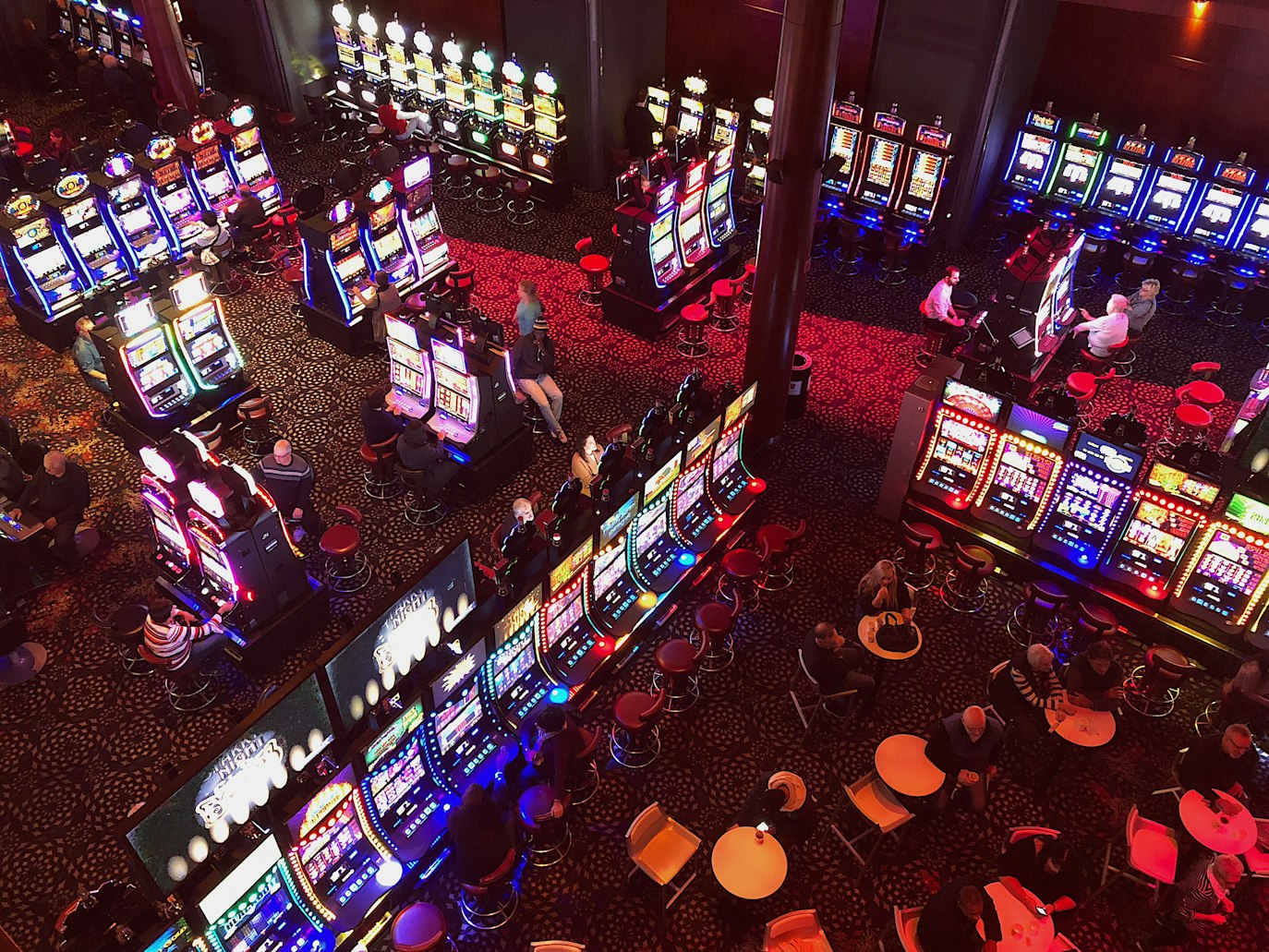
Additionally, technological advancements such as live dealer games and virtual reality experiences create immersive environments that enhance the thrill of gambling. These innovations replicate the excitement of a physical casino while allowing for a personalized experience. The sensory stimulation provided by sound effects and graphics can further heighten emotional responses, reinforcing the desire to engage in risk-taking behavior. As players become more immersed in these digital experiences, the line between entertainment and addiction can blur.
Social media and online forums also play a pivotal role in shaping gambling behavior. Many players share their experiences and successes online, creating a culture that glorifies risk-taking. This social reinforcement can entice others to gamble, as they seek validation from their peers. The constant exposure to gambling-related content can normalize risky behavior, leading individuals to perceive gambling as a typical and socially accepted activity. Thus, technology both enhances the appeal of gambling and complicates the psychological dynamics at play.
The Emotional Rollercoaster: Wins and Losses
The emotional experience of gambling is a crucial element that drives individuals to take risks. The euphoria associated with winning can be immensely satisfying, creating a desire to replicate that feeling. Players often chase the thrill of a big win, which can result in escalating bets and increased risk-taking behavior. This emotional high can be addicting, making it challenging for individuals to resist the lure of gambling even when the odds are against them.
Conversely, the emotional toll of losing can lead to significant distress. Many gamblers experience feelings of regret, frustration, and sadness following a loss, often prompting them to gamble again in an attempt to regain their losses. This cycle of chasing losses can create a precarious situation, where individuals find themselves trapped in a never-ending loop of risk-taking. Understanding the emotional dimensions of gambling is essential for addressing the compulsive behaviors that can arise.
Additionally, the psychological impact of gambling on self-esteem cannot be overlooked. For some individuals, gambling serves as a temporary escape from reality or a way to cope with underlying issues such as anxiety or depression. However, this reliance on gambling for emotional relief can lead to further complications, as the individual becomes increasingly dependent on the highs of winning to alleviate their negative emotions. Recognizing these emotional triggers is key to developing healthier coping strategies and addressing the root causes of gambling behavior.
Exploring Safe Gambling Options at Wild Tokyo Casino
Wild Tokyo Casino provides an exhilarating online gaming experience tailored for players seeking both excitement and responsibility. With an impressive welcome bonus and a wide variety of games, the platform is designed to maximize enjoyment while encouraging safe gambling practices. Players can explore thrilling adventures in a secure environment, allowing them to enjoy the excitement without falling prey to the psychological pitfalls that often accompany gambling.
Moreover, Wild Tokyo Casino emphasizes the importance of responsible gaming. The platform offers various features, including self-exclusion options and betting limits, empowering players to maintain control over their gambling activities. By promoting a balanced approach, Wild Tokyo Casino helps mitigate the risks associated with gambling, ensuring that players can enjoy the thrill without jeopardizing their well-being.
In conclusion, understanding the psychology behind gambling is essential for both players and operators in the gaming industry. By recognizing the various psychological, emotional, and technological factors at play, players can make informed decisions about their gambling habits. Wild Tokyo Casino exemplifies a commitment to providing a safe, entertaining experience while addressing the complexities of gambling behavior, ultimately fostering a responsible gaming environment for all.