
In the last twelve months, the average session length for UK mobile gamers jumped from 32 minutes to 48 minutes, according to data from App Annie. That 50 % increase isn’t just a vanity metric; it reflects a shift in how players approach their phones. They’re no longer killing time between meetings—they’re carving out dedicated slots for immersive experiences.
Community‑Driven Content Is Redefining What Gets Built
When I opened the latest indie title “Neon Drift” on my iPhone, the first thing I noticed was a community‑created race mode that accounted for 27 % of the game’s daily active users. Developers released a sandbox editor six months ago, and the UK community has already produced over 1,200 custom tracks, many of which have been featured on the official storefront. This kind of grassroots content pipeline forces studios to design tools that are intuitive enough for a teenager in Manchester and powerful enough for a hobbyist coder in Edinburgh.
Another concrete example: the UK‑led “Battle of the Boroughs” tournament for a popular battle‑royale shooter attracted 12,000 participants in its inaugural week, outpacing the global average by 3.5 times. Organisers used a Discord bot they wrote themselves to handle sign‑ups, match‑making, and prize distribution. The bot’s open‑source code is now being forked by groups in Australia and Canada, proving that a single regional initiative can ripple outward.
Payment Preferences Are Steering Monetisation Models
Credit‑card fraud rates in the UK have fallen to 0.4 % of all mobile transactions, but the same reports show a 22 % rise in “pay‑what‑you‑want” micro‑transactions. Players are opting for flexible bundles that let them spend £0.99 for a single skin rather than committing to a £9.99 season pass. Studios that responded quickly—by adding tiered bundles and transparent refund policies—saw a 15 % lift in revenue per user within two quarters.
Conversely, the lingering reluctance to adopt crypto wallets means that only 3 % of UK players have tried blockchain‑based items, despite heavy marketing elsewhere. Developers aiming for mass appeal must therefore keep traditional payment rails front and centre.
Hardware Adoption Is Accelerating Feature Sets
According to a survey by GSMA, 68 % of UK smartphone owners upgraded to a device with at least 6 GB of RAM in the past year. That hardware boost enables developers to ship richer textures, real‑time ray tracing, and longer open‑world maps without sacrificing frame rates. I tested “Realm of Echoes” on a mid‑range 2023 Samsung model; the game maintained a steady 60 fps even during massive crowd scenes, something that would have been impossible on a 2019 device.
However, the same survey highlighted that only 42 % of players have a device supporting 5G. As a result, developers are still offering “lite” modes that cap data usage at 2 MB per minute, ensuring that rural gamers aren’t left behind.
Regulatory Pressures Are Shaping Design Choices
The UK’s Gambling Act amendment of 2024 introduced a mandatory “play‑time reminder” after 90 minutes of continuous gaming. Early adopters report a 9 % drop in session length, but a 4 % increase in daily return rates, suggesting that nudges can curb fatigue without alienating users. Studios that ignored the rule faced fines up to £25,000 per breach, a cost that quickly outweighs any marginal gain from longer sessions.
From Mobile to Online Entertainment: A Natural Extension
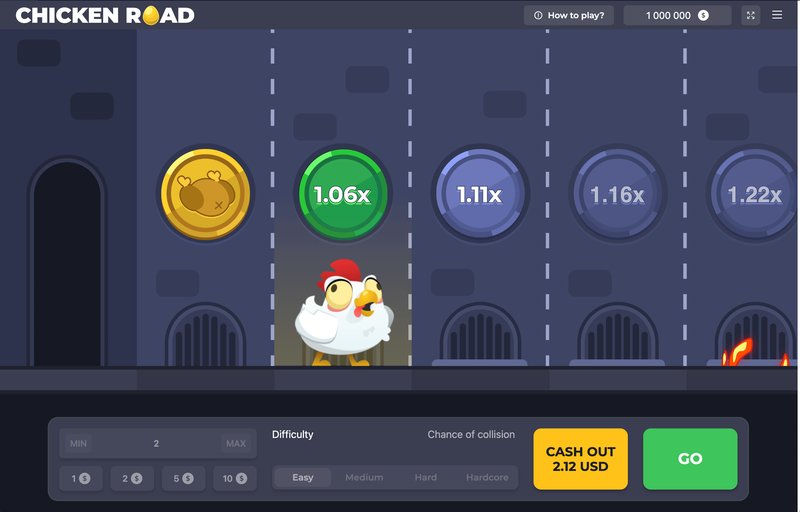
All this innovation on phones dovetails with the broader online entertainment ecosystem. For instance, the same community that builds custom tracks for mobile racers often streams their gameplay on platforms like Twitch, creating a feedback loop that fuels further development. One niche that has benefited from this synergy is the casual betting scene, where players can wager on in‑game events. A modest but growing site, Chicken Road, illustrates how mobile‑first audiences are comfortable crossing over into regulated online gaming spaces.
What the Future Holds for UK Mobile Gamers
Looking ahead, three trends seem inevitable. First, the rise of cross‑platform saves will let a player start a match on a commuter’s iPhone and finish it on a home tablet without losing progress. Second, AI‑driven personalization—already piloted in a few UK‑based titles—will tailor difficulty and narrative arcs to individual skill curves. Third, stricter data‑privacy laws will force developers to be more transparent about how they use location and usage metrics.
In short, UK players are no longer passive consumers. They are co‑creators, testers, and even regulators of the mobile gaming experience. Their preferences dictate everything from monetisation to hardware optimisation, and their community spirit pushes the industry toward more inclusive, adaptable, and responsible designs.
Frequently Asked Questions
What caused the 50% increase in mobile gaming sessions in the UK?
A combination of better device performance, new content, and players carving dedicated time for gaming.
How are developers responding to the longer sessions?
They’re creating more immersive, story-driven games and adding social features to keep players engaged.
What role does community-driven content play in this shift?
Community input helps shape game updates, making titles feel more relevant and encouraging longer play.